
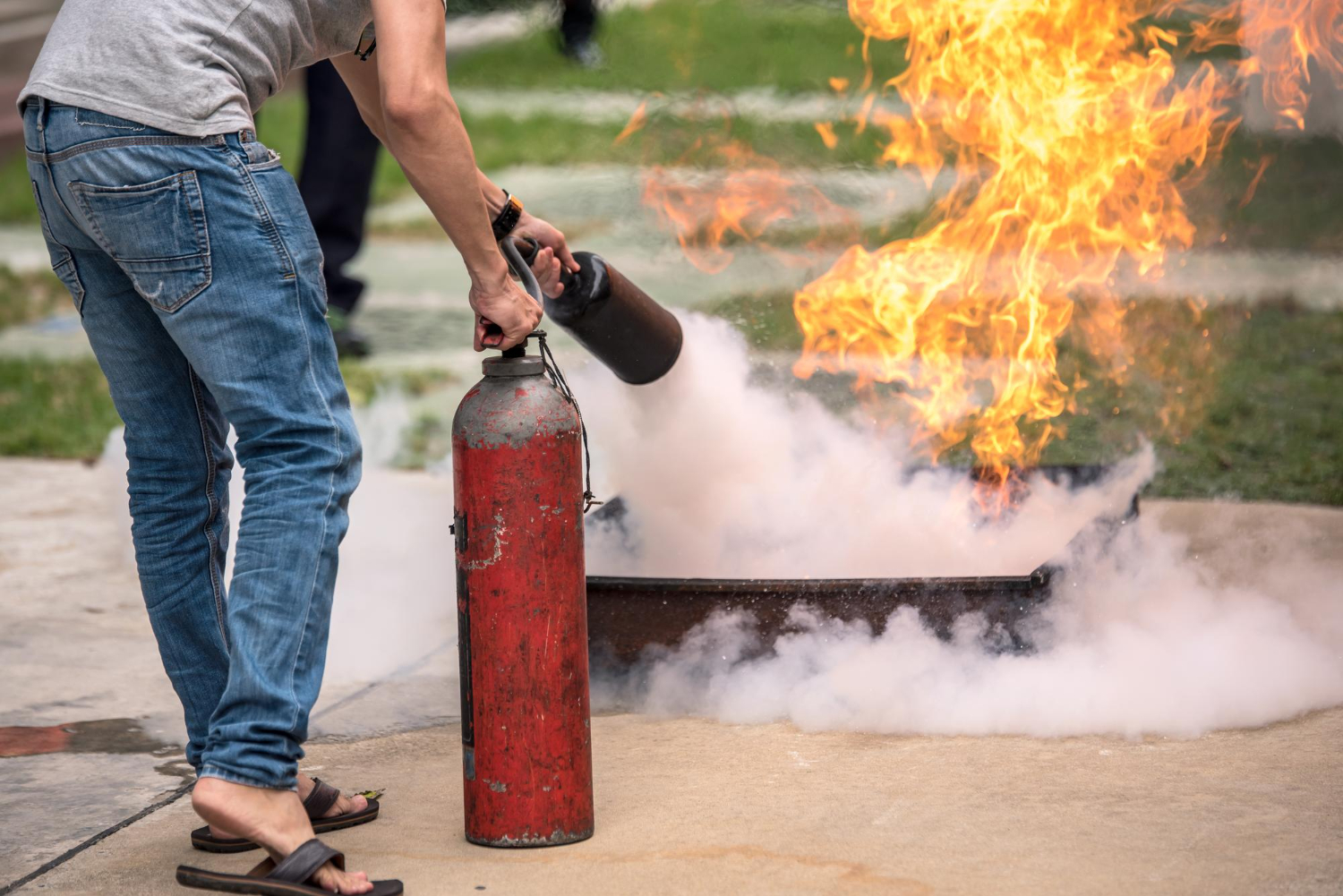
Fire Extinguishers in Nepal: A Complete Guide to Choosing the Right One for Your Home and Business
Fire emergencies do not announce themselves. A short circuit in a kitchen, an overheated generator in a warehouse, or a careless cigarette in a stairwell can escalate within seconds.
In residential buildings, schools, hospitals, and commercial spaces across Nepal, having the right fire extinguisher within reach — and knowing how to use it — can mean the difference between a minor scare and a major disaster.
Sabal Suppliers is proud to be the sole distributor of Palex India fire extinguishers and firefighting equipment in Nepal. From ABC dry powder extinguishers in sizes ranging from 1kg to 9kg to foam-type units for specialized hazards, we supply certified equipment that meets recognized safety standards.
This guide walks you through the essentials so you can make an informed decision for your space.
1. Understanding Fire Classes (and Why They Matter)
Not all fires are the same, and using the wrong extinguisher can make things worse. Here are the four common fire classes you should know:
- Class A: Ordinary Combustibles — Wood, paper, cloth, and furniture.
- Class B: Flammable Liquids — Petrol, kerosene, paint, and cooking oil.
- Class C: Electrical Fires — Wiring, appliances, and switchboards.
- Class K (F): Cooking Oils and Fats — Common in commercial kitchens.
ABC dry powder extinguishers are among the most versatile options and are commonly recommended for homes, offices, and small shops because they handle Class A, B, and C fires.
- Foam extinguishers: Better suited to certain flammable-liquid fires.
- CO₂ extinguishers: Preferred for server rooms and electrical panels where residue-free suppression is important.
- Wet chemical extinguishers: Designed for cooking oil and fat fires, particularly in commercial kitchens.
2. Choosing the Right Fire Extinguisher Size
Size matters more than most people realize. Choosing the right capacity depends on the size of your premises and the potential fire hazards.
- 1kg Extinguisher: Compact and suitable for small kitchens or personal vehicles. However, it has a relatively short discharge time.
- 4kg or 6kg Extinguisher: A practical option for family homes and medium-sized spaces.
- 9kg Extinguisher: Suitable for larger commercial spaces, warehouses, schools, and industrial environments.
For larger buildings, multiple extinguishers at strategically selected locations may be necessary.
Important: Extinguisher quantity and placement should be determined by a proper fire-risk assessment and applicable safety standards, rather than relying on floor area alone.
3. Fire Extinguisher Placement and Accessibility
An extinguisher locked inside a storeroom is useless during an emergency. Proper placement ensures that firefighting equipment is accessible when every second counts.
Follow these placement guidelines:
- Near exits: Position extinguishers where they can be accessed while maintaining a safe escape route.
- Visible locations: Keep them unobstructed and avoid placing them behind furniture or under sinks.
- Appropriate mounting: Install extinguishers at the recommended height according to their weight and applicable safety standards.
- Clear signage: Use visible fire extinguisher signs to help people locate equipment quickly.
- Away from heat sources: Protect extinguishers from excessive heat, direct sunlight, and environmental conditions that could affect their performance.
4. Why Buying from an Authorized Distributor Matters
Nepal's market has no shortage of imported safety products, but counterfeit and substandard extinguishers are a real risk.
Buying from an authorized distributor like Sabal Suppliers provides greater confidence in product authenticity, quality, and after-sales support.
Here is what you should look for:
- Authenticity: Genuine Palex units with relevant certification and documentation.
- Correct Pressure and Fill: Properly charged and tested extinguishers.
- Warranty and After-Sales Support: Access to refilling, servicing, and replacement parts.
- Professional Guidance: Assistance in selecting the appropriate extinguisher type and size for your specific fire-risk profile.
When it comes to fire safety, choosing reliable equipment is an investment in protecting lives and property.
5. Fire Extinguisher Maintenance: The Part Everyone Forgets
An extinguisher is a pressure vessel, and like any safety device, it requires periodic inspection and maintenance.
Here are some essential maintenance practices:
- Check the pressure gauge monthly: For models with a pressure gauge, ensure the needle is within the manufacturer's indicated operating range.
- Inspect for physical damage: Look for corrosion, dents, leakage, or other visible damage.
- Check the safety pin and seal: Ensure they are intact and have not been tampered with.
- Keep the nozzle clear: Make sure the discharge hose and nozzle are not blocked.
- Arrange professional servicing: Refilling, maintenance, and hydrostatic testing should be carried out according to the manufacturer's instructions and applicable standards.
Remember: A fire extinguisher that has not been properly maintained may fail when you need it most.
6. Training Your People to Use Fire Extinguishers
Having the right equipment is only half the job. People must also know how to use it safely and effectively.
One of the most widely taught methods is the PASS technique:
- P – Pull: Pull the safety pin to unlock the extinguisher.
- A – Aim: Aim the nozzle at the base of the fire.
- S – Squeeze: Squeeze the handle to release the extinguishing agent.
- S – Sweep: Sweep the nozzle from side to side across the base of the fire.
Encourage family members, employees, and security personnel to participate in fire safety awareness sessions and practical demonstrations.
Safety First: Only attempt to extinguish a small, manageable fire if you have the correct equipment, proper training, and a clear escape route. Raise the alarm, evacuate when necessary, and never put yourself at risk.
Final Thoughts: Make Fire Safety a Priority
Fire safety is not a one-time purchase; it is an ongoing commitment.
Whether you manage a warehouse in Birgunj, a school in Kathmandu, or a family home in Lalitpur, investing in certified firefighting equipment from a trusted supplier is an important step toward protecting lives, property, and businesses.
Sabal Suppliers is here to help you assess your requirements, choose the right fire extinguishers, and maintain your firefighting equipment throughout the year.
Protect Your Property with Genuine Palex Fire Extinguishers
Don't wait for an emergency to think about fire safety.
Contact Sabal Suppliers today to request a fire safety assessment or browse our range of Palex India fire extinguishers and firefighting equipment in Nepal.
Choose the right protection. Stay prepared. Stay safe.