
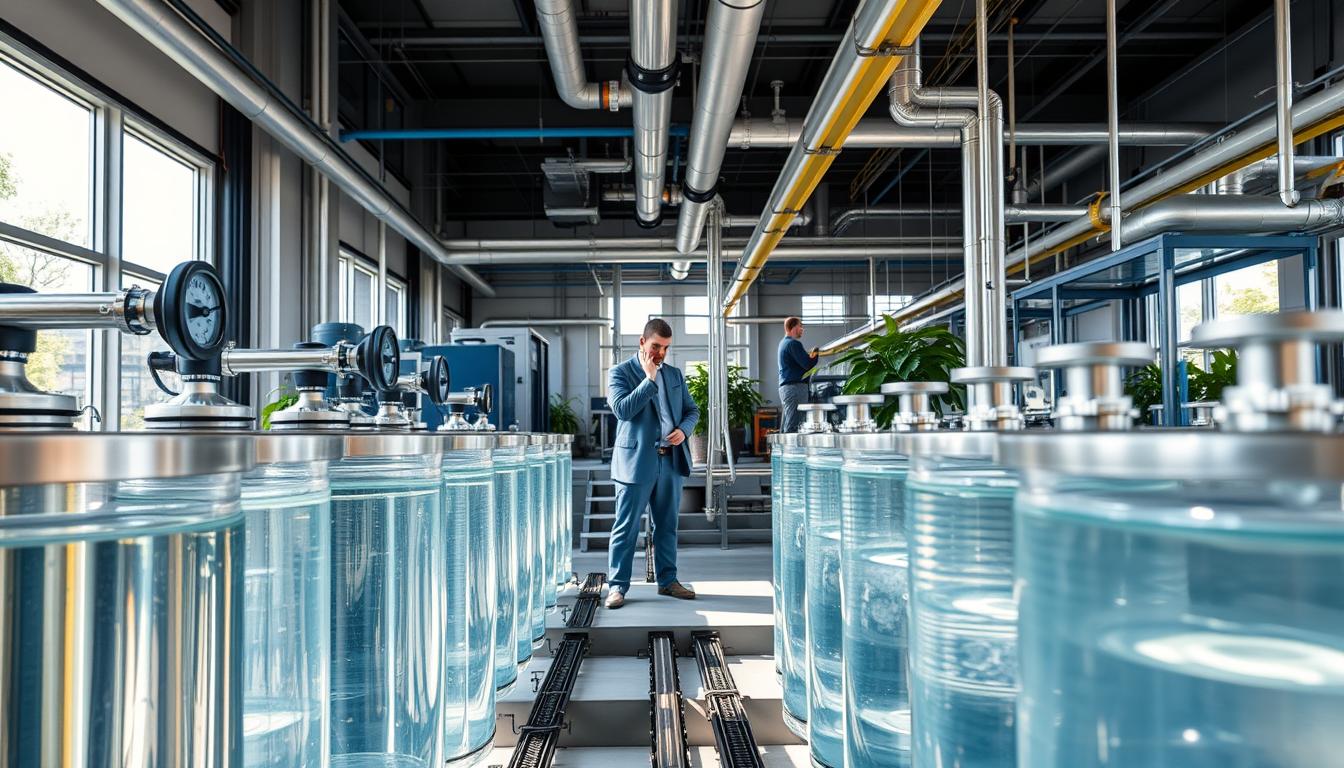
Clean Water, Healthy Families: Why Flavia Water Purifiers Make a Difference
1. Understanding Different Water Purification Technologies
Modern water purifiers often combine multiple filtration stages to improve water quality. Three of the most commonly used purification technologies are RO, UV, and UF.
Understanding how each technology works can help you make a better purchasing decision.
RO (Reverse Osmosis)
Reverse Osmosis (RO) uses a semi-permeable membrane to remove dissolved substances from water.
- Helps reduce dissolved salts and Total Dissolved Solids (TDS).
- Removes many dissolved contaminants, including certain heavy metals.
- Suitable for water sources with high TDS, depending on the contaminant profile.
- Commonly used for borewell and deep tube well water.
RO purification is particularly useful when your water source contains excessive dissolved minerals or salts.
UV (Ultraviolet Purification)
UV purification uses ultraviolet light to inactivate microorganisms in water.
- Helps inactivate bacteria and viruses.
- Does not remove dissolved salts or heavy metals.
- Works best when water is relatively clear.
- Often combined with sediment and activated carbon filters.
UF (Ultrafiltration)
Ultrafiltration (UF) uses a fine membrane to remove suspended particles and many microorganisms.
- Removes suspended particles and sediment.
- Helps remove bacteria and certain parasites.
- Retains most dissolved minerals.
- Does not remove dissolved salts or most dissolved chemical contaminants.
Which Technology Should You Choose?
Different water sources require different purification methods.
Many modern Flavia water purification systems combine these technologies with sediment and activated carbon pre-filters to provide multiple stages of filtration.
The best purification system depends on the actual quality of your water, not simply the brand or number of filtration stages.
2. Choosing the Right Water Purifier for Your Water Source
Not every water source has the same contamination profile. A purifier that works well for one household may not be suitable for another.
Here are some general considerations for common water sources in Nepal.
Municipal Water Supply – Kathmandu Valley
Municipal water supplies can contain sediment and may be affected by storage and distribution conditions.
- Sediment filtration helps remove visible particles.
- Activated carbon filtration can improve taste and reduce certain chemicals.
- UV or UF purification may provide additional microbial protection.
The appropriate combination depends on water testing and the condition of the supply.
Borewell and Deep Tube Well Water
Groundwater sources may contain higher concentrations of dissolved minerals and salts.
- RO systems can help reduce excessive TDS.
- Sediment pre-filters protect the RO membrane.
- Additional treatment may be required depending on the contaminants present.
Mixed or Unknown Water Sources
If your household receives water from multiple sources, selecting a multi-stage purification system may be beneficial.
An RO+UV system with suitable pre-filtration can address a broader range of water quality concerns, although it should still be selected based on water testing.
Our Recommendation: Before purchasing a water purifier, consider testing your water quality. A TDS meter can provide a basic indication of dissolved solids, but it cannot identify every harmful contaminant. A comprehensive water test is recommended when the source or quality is uncertain.
3. Water Purifier Capacity: How Much Do You Actually Need?
Choosing the right purifier capacity is just as important as selecting the correct purification technology.
Your household size, daily drinking water consumption, and water availability should all influence your decision.
For Homes
For a family of four, a purifier producing approximately 10–15 litres per hour may be sufficient, depending on daily consumption and storage capacity.
For Offices
Offices with multiple employees generally require higher-capacity systems to ensure a consistent drinking water supply throughout the day.
For Schools and Commercial Spaces
Schools, restaurants, and other commercial establishments may require higher-capacity purification systems designed for frequent use.
Important factors to consider:
- Family or User Size: More people require a higher daily water supply.
- Daily Consumption: Consider drinking and cooking requirements.
- Storage Capacity: A storage tank helps provide water when demand increases.
- Purification Speed: Check how quickly the system can produce purified water.
- Installation Space: Ensure there is sufficient room for the purifier and its connections.
Choosing the right capacity ensures that your purification system can comfortably meet your daily requirements.
4. Water Purifier Maintenance: The Key to Consistently Clean Water
Installing a water purifier is only the beginning. Regular maintenance is essential to ensure that the system continues to perform effectively.
Over time, sediment cartridges can become clogged, activated carbon filters lose their adsorption capacity, and RO membranes may gradually deteriorate.
Here are some important maintenance practices:
Regular Filter Replacement
- Sediment Filters: Replace according to the manufacturer's recommendations and water quality.
- Activated Carbon Filters: Replace periodically to maintain effective filtration and improve water taste.
- RO Membranes: Replace when performance or water quality indicates that replacement is necessary.
- UV Lamps: Inspect and replace according to the manufacturer's recommended service interval.
Storage Tank Cleaning
The storage tank should be cleaned and sanitized periodically to prevent contamination and maintain water hygiene.
Professional Inspection
Arrange periodic servicing to check filter performance, water leakage, electrical connections, and overall purification efficiency.
Skipping filter replacements can compromise water quality and affect the performance of your purifier.
Sabal Suppliers supports customers with genuine replacement filters and service guidance to help keep their Flavia water purifiers operating effectively.
5. Why Buy Flavia Water Purifiers from an Authorized Distributor?
When purchasing a water purification system, the product itself is only one part of the investment. Genuine components, correct installation, and reliable after-sales support are equally important.
Sabal Suppliers is the exclusive distributor of Flavia water purifiers in Nepal, helping customers access authentic products and appropriate support.
Here are some reasons to choose an authorized distributor:
- Genuine Products: Authentic Flavia water purifiers with applicable warranty coverage.
- Correct Installation: Proper inlet connections, drainage arrangements, and electrical installation.
- Genuine Replacement Filters: Access to compatible replacement cartridges and components.
- After-Sales Service: Assistance with troubleshooting, servicing, and maintenance.
- Product Guidance: Help selecting a suitable purification system according to your water source and requirements.
Choosing a reliable supplier helps you get the right equipment and maintain it properly over time.
6. Common Water Purifier Buying Mistakes to Avoid
Many buyers focus only on the purchase price or the number of filtration stages when selecting a water purifier.
However, choosing the wrong system can lead to unnecessary expenses and inadequate water treatment.
Avoid these common mistakes:
- Buying an Undersized Unit: Select a purifier that can meet your household's or office's daily water requirements.
- Ignoring Filter Replacement Schedules: Delayed maintenance can compromise purification performance.
- Installing RO Without Considering Drainage: RO systems produce reject water, so proper drainage arrangements are necessary.
- Using UV on Highly Sedimented Water: Excessive turbidity can interfere with UV disinfection. Appropriate pre-filtration is essential.
- Choosing RO Without Checking TDS: RO may not be necessary for every water source.
- Ignoring Water Testing: Different water sources require different treatment methods.
- Overlooking After-Sales Support: Always consider the availability of genuine filters and servicing.
The right water purifier is not necessarily the one with the most filtration stages. It is the one that effectively addresses your water quality requirements.
Final Thoughts: Make Clean Drinking Water a Priority
Clean water is not a luxury; it is a basic necessity for every household and workplace.
From homes in Kathmandu and Lalitpur to offices, schools, and commercial establishments across Nepal, having access to properly treated drinking water is essential for everyday health and well-being.
Investing in a suitable water purification system helps reduce exposure to waterborne contaminants and provides greater confidence in your daily drinking water supply.
Flavia water purifiers, distributed exclusively by Sabal Suppliers in Nepal, offer purification solutions designed for different water quality requirements, with access to genuine replacement filters and maintenance support.
Whether you need an RO, UV, or UF purification system, Sabal Suppliers is here to help you understand your requirements and choose an appropriate solution.
Get Clean and Safe Drinking Water with Flavia Water Purifiers
Looking for a reliable water purifier for your home or office in Nepal?
Explore the range of Flavia water purifiers available at Sabal Suppliers and find a suitable purification solution for your needs.
Contact Sabal Suppliers today to learn more about Flavia water purifiers or schedule a water quality consultation.
Choose better water. Protect your family. Live healthier.